

Views: 0 Author: Site Editor Publish Time: 2025-08-29 Origin: Site


Polishing compounds are essential for maintaining surfaces and enhancing their appearance. But with so many options, how do you choose the right one? Selecting the right compound is crucial for achieving the best results, whether for vehicles or other surfaces.
In this post, you’ll learn how to choose the best polishing compound based on your needs and surface type.
A polishing compound helps smooth out imperfections and restore shine on surfaces. It’s a specialized product designed to correct flaws like scratches, oxidation, and swirl marks. The compound includes abrasives and additives. Abrasives are what remove imperfections, while additives help improve the compound's performance and finish.
Choosing the right abrasive level is essential. A coarse compound removes deep scratches, while finer compounds are better for light imperfections. Using the wrong type could damage the surface.
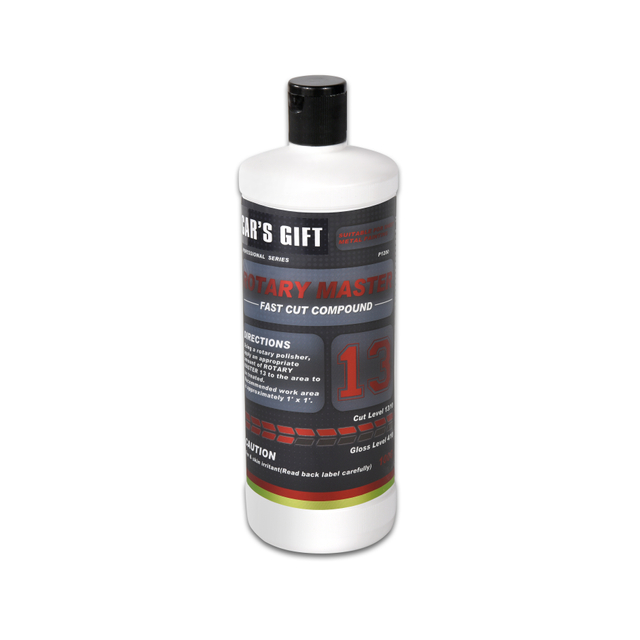
In car detailing, polishing compounds play a key role in restoring your vehicle's paint. They help remove oxidation, scratches, and swirl marks that can make the paint look dull and worn.
There are three main types of compounds: polishing, cutting, and finishing. Cutting compounds are for deep scratches, polishing compounds work on lighter imperfections, and finishing compounds give the final smooth and glossy look.
When choosing a polishing compound, start by assessing your vehicle's paint. Look for deep scratches, swirl marks, or oxidation. For deep scratches, you’ll need an aggressive compound, while light swirl marks call for a gentler formula. Adjust the compound strength based on the severity of the imperfections.
Different paints require different compounds. Clear coat, enamel, and lacquer all need specialized formulas. For metallic or pearl finishes, use compounds designed to handle these delicate surfaces. These compounds protect the finish and help maintain the paint’s depth and clarity.
Polishing compounds come in various abrasiveness levels. Coarse compounds tackle heavy imperfections like deep scratches, while fine compounds smooth out lighter flaws. Match the abrasiveness to the paint condition. For a high-gloss finish, start with a coarse compound and follow up with a Finishing Polishing Compound for polishing light imperfections and enhancing the shine.
Cutting compounds are designed to remove deep scratches and oxidation. These compounds are the most abrasive, making them ideal for tackling heavy imperfections. They differ from polishing and finishing compounds by being more aggressive. Cutting compounds work quickly, but they often leave swirl marks, requiring a follow-up with a finer compound for a smoother finish.
Polishing compounds are perfect for minor imperfections and paint correction. They smooth out light scratches, swirl marks, and oxidation without being too abrasive. Choose a heavy-cut polish for deeper imperfections and a fine-cut polish for light blemishes. This allows you to achieve the desired finish depending on the condition of your paint.
A finishing polishing compound is crucial for achieving a smooth, glossy finish. It’s used after cutting or polishing compounds to refine the surface and enhance the shine. Apply it once the surface has been smoothed, ensuring a high-quality, mirror-like finish. This is the final step to perfect the paint and bring out its full luster.
When selecting a polishing compound, it's important to match it to the surface you're working with. Different materials require different types of compounds for optimal results.
Automotive Paint: Different vehicle finishes call for specialized compounds. For example, if your car has a clear coat, use a compound designed for clear coat paint. A medium-cut compound works best for general correction on clear-coated vehicles, while a heavy-cut compound may be necessary for older cars with deep scratches or oxidation. For cars with metallic or pearl finishes, you’ll need a gentler compound to protect the delicate paintwork while enhancing its depth and clarity.
Metal: Polishing metals like aluminum, stainless steel, or chrome requires a different approach. For aluminum, use compounds designed specifically for softer metals. Aluminum compounds are generally more abrasive, while stainless steel compounds are finer to avoid scratching. If polishing chrome, choose a specialized compound to avoid damaging the surface and achieve a shiny, smooth finish.
Plastic and Glass: When working with non-metal surfaces like plastic or glass, it’s essential to use a compound designed for these materials. Plastic compounds are typically less abrasive, designed to prevent any surface damage. For glass, a fine compound is essential for polishing without leaving scratches or marks.
The level of damage on the surface plays a big role in determining which compound to use. Whether the surface has light or severe damage will decide if you should go for a mild compound or something more aggressive.
Light Damage: If you're working with light scratches, swirl marks, or oxidation, you can start with a mild compound. These compounds are less abrasive and are ideal for minor imperfections. Start with a polishing compound or fine-cut compound for a smoother finish. For areas that only have slight damage, you can achieve excellent results without using an aggressive compound.
Severe Damage: For deeper scratches or more substantial oxidation, begin with a cutting compound. These are more abrasive and remove more material from the surface. If you have severe paint damage, use a heavy-cut compound to tackle the problem. Once the heavy damage is addressed, follow it up with a polishing compound or finishing polish to refine the surface and restore the gloss.
Start with a gentler compound and progressively move toward stronger abrasives. This method ensures that you don’t accidentally remove too much paint or damage the surface. For example, if you begin with a cutting compound and find it too aggressive, you can switch to a finer compound for a better finish.
As more people become environmentally conscious, many polishing compound brands have started offering eco-friendly alternatives. These compounds can perform just as well as their traditional counterparts but have a reduced environmental impact.
Eco-Friendly Polishing Compounds: Many of these compounds are made from natural, biodegradable ingredients. They avoid the use of harmful chemicals and are designed to minimize environmental damage. Look for products labeled as "eco-friendly," "green," or "biodegradable." These are great options if you’re concerned about the environment or prefer to use sustainable products.
Benefits for the Conscious Consumer: Choosing eco-friendly polishing compounds has numerous benefits. These products are often safer for both the user and the environment, reducing the risk of exposure to toxic chemicals. They also help maintain your car or home surfaces while contributing to a cleaner, greener planet. The absence of harsh chemicals also means they are often gentler on the surface, reducing the risk of damage during use.
Eco-friendly options don’t necessarily compromise on performance. Many top-quality eco-friendly compounds provide excellent results, whether you are working on automotive paint, metal, or plastic surfaces. Plus, by choosing environmentally friendly products, you're helping to support sustainable practices in the industry.
Selecting the right compound for your project isn't just about the material—it's also about understanding the specific needs of your task.
For Auto Detailing Projects: If you're detailing a car, the choice of compound depends largely on the paint condition and type. For regular maintenance, start with a polishing compound. It’s gentle enough for removing minor imperfections and helps restore gloss. For deeper damage, use a cutting compound followed by a finishing polishing compound to refine the surface.
For Metal Polishing: When working with metals, choose compounds designed specifically for each type of metal. For example, chrome and aluminum require a more abrasive compound for heavy scratches, while stainless steel can be polished with a finer compound. Always use the appropriate compound to avoid unnecessary wear on the surface.
For Plastic and Glass: These surfaces require special care. Use mild, non-abrasive compounds to avoid scratching the material. For plastic, choose a compound specifically designed to restore clarity and remove surface imperfections. For glass, use fine compounds that smooth out surface marks without damaging the glass.
If you’re new to polishing, start with products that are beginner-friendly. These compounds are designed to be easy to apply, with lower abrasion levels to reduce the risk of damaging the surface. Dual-action polishers work well with these compounds, allowing you to control the application and achieve great results even as a beginner.
As your skill level improves, you can move to more aggressive compounds for heavier-duty tasks, like cutting compounds for deep scratches or oxidation.
Applying the right polishing compound is crucial for achieving the best results. Here's a simple step-by-step guide to follow:
Wash the Surface: Clean the surface thoroughly to remove dirt, dust, or debris. This ensures the compound doesn't scratch the surface during application.
Choose the Right Pad: Select the appropriate pad for the task. For heavier imperfections, use a more aggressive pad. For light imperfections, go for a softer pad.
Apply the Compound: Put a small amount of polishing compound on the pad. Start with a small area and apply the compound using a circular motion.
Use a Dual-Action Polisher: For an even application, use a dual-action polisher. It helps spread the compound evenly and reduces the risk of swirl marks, giving you a uniform finish.
Over-polishing can lead to serious damage, such as removing too much paint or leaving swirl marks. Follow these tips to avoid over-polishing:
Start with a Mild Compound: Always start with a less abrasive compound. You can always switch to a stronger one if needed.
Check Progress Regularly: Periodically stop and inspect the surface. Wipe off any excess compound and assess whether the desired results have been achieved.
Don’t Overdo It: Avoid using excessive pressure. Let the machine do the work to prevent removing too much paint and causing surface damage.
Buffing is just as important as polishing, ensuring a smooth, glossy finish. Here’s why it’s essential:
Proper Buffing: After applying the polishing compound, buff the surface to remove any excess and enhance the shine. This step ensures an even, smooth surface free of compound residue.
Role of Finishing Polishing Compound: A finishing polishing compound is often used after the buffing process to refine the surface further, restoring a high-gloss shine and smoothness. This step is essential to bring out the full depth and clarity of the paint.
Choosing the right polishing compound is essential for achieving the best results based on surface type and condition. Always assess the damage and surface material before selecting a compound.
If unsure, consult with professionals or test compounds in small areas before applying them to larger surfaces.
A: A polishing compound helps smooth out imperfections and restore shine to surfaces. It's essential for paint correction, removing oxidation, and enhancing surface finish.
A: Choose a compound based on the surface material and the extent of damage. For heavy scratches, use cutting compounds. For lighter imperfections, go with polishing compounds.
A: No, different paints require specific compounds. Clear coat, enamel, and metallic finishes need different types of compounds for optimal results.
A: Start with a mild compound and use moderate pressure. Regularly check the surface to avoid over-polishing and damaging the paint.
A: Yes, eco-friendly polishing compounds are available. They perform well while being safer for the environment and are made from biodegradable ingredients.


