

Views: 0 Author: Site Editor Publish Time: 2025-08-27 Origin: Site


Looking to achieve a flawless, shiny car finish? The right polishing tool makes all the difference. In automotive care, choosing between a rotary polisher and a dual action polisher is crucial. The dual action polisher offers a safer, more efficient way to polish without damaging your paint.
In this post, you’ll learn what a dual action polisher is, how it works, and why it’s perfect for both beginners and pros.
A dual action polisher is an essential tool for anyone looking to polish and restore the shine of surfaces like car paint, furniture, or boats. Unlike a traditional rotary polisher, a dual action polisher uses two distinct movements: a spinning motion and an orbital (elliptical) motion. The spinning motion rotates the pad in a consistent circle, while the orbital motion creates a back-and-forth movement, moving the pad in an elliptical pattern. This dual motion works together to ensure even pressure distribution across the surface being polished.
The main advantage of this dual motion is that it reduces heat buildup, which is a significant factor in preventing paint damage. By spreading out the pressure more evenly, the risk of burning or damaging the surface is minimized, especially on delicate paints or finishes. This makes the dual action polisher a much safer choice than other types of polishers, particularly for beginners who might not yet be skilled in the nuances of polishing.
In addition to safety, the versatility of a dual action polisher makes it suitable for a wide range of tasks. It is effective at handling light to moderate paint corrections, including removing light scratches, swirl marks, and oxidation. For beginners, the tool is easy to handle and forgiving. Even for professionals, it serves as an efficient tool for applying wax, sealants, or finishing touches to any surface.
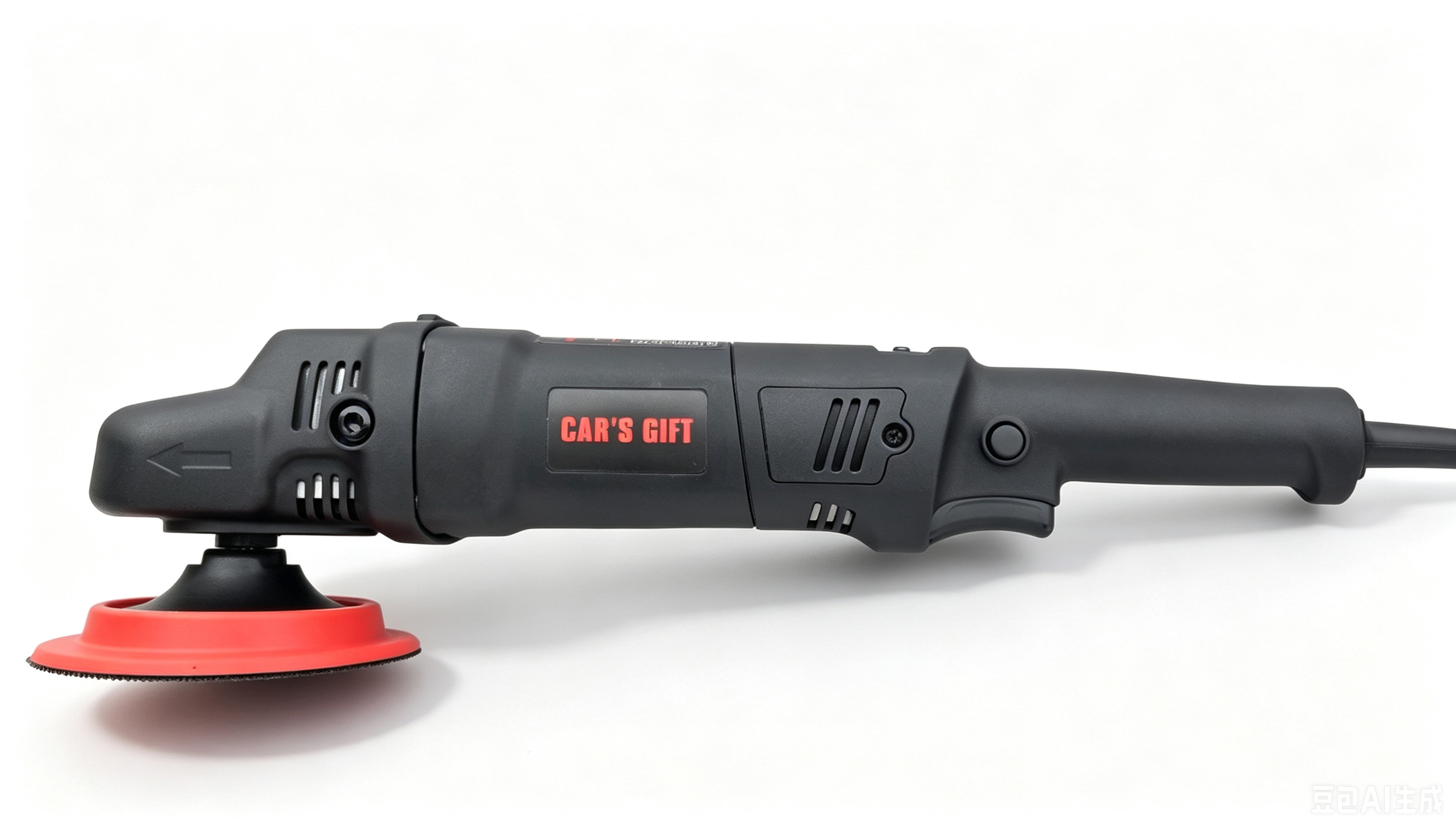
When choosing between a dual action polisher and a rotary polisher, the decision comes down to the type of work you need to accomplish and your experience level. A rotary polisher is faster and more powerful, making it ideal for heavy-duty paint corrections like removing deep scratches, oxidation, or severe imperfections. However, the aggressive nature of rotary polishers means they require more skill to use effectively. Without the right technique, there’s a higher risk of damaging the surface, such as by burning the paint or causing swirl marks.
In contrast, dual action polishers are much gentler on surfaces. The combination of spinning and orbital motion reduces the likelihood of causing damage, which is why they are a popular choice for beginners. These polishers are slower than rotary polishers, but they are much more forgiving. They still provide excellent results but do so at a more controlled pace, ensuring a higher level of safety and a smoother finish.
Another key difference between the two types is that dual action polishers are easier to control. The gentler action makes them ideal for anyone who is still getting the hang of using a polisher. For those who want the flexibility to move around freely, a "Cordless DA car polisher" can be a game-changer. Unlike rotary polishers, which are often heavy and can be cumbersome in tight spaces, cordless models offer portability and ease of use, perfect for jobs that require mobility or outdoor work.
A dual action polisher operates using a combination of two distinct motions: spinning and oscillating. The spinning motion causes the pad to rotate in a constant circular movement, while the orbital motion makes the pad move in an elliptical or back-and-forth pattern. This combination of movements ensures that the pad makes full contact with the surface, evenly distributing pressure across the entire area.
This method is ideal for polishing because it minimizes the heat buildup that can occur when a single motion is used. Heat buildup can damage delicate surfaces, particularly automotive paint. By distributing the pressure more evenly, a dual action polisher prevents concentrated heat, which could otherwise lead to burning or marring the paint. This mechanism is what makes the dual action polisher one of the safest and most reliable polishing tools on the market.
Furthermore, because the pad moves in a random orbital pattern, it is less likely to leave swirl marks or uneven polishing patterns. This makes dual action polishers a favorite among professionals and DIY enthusiasts alike, as they can produce a smooth, uniform finish without the risk of mistakes.
One of the key benefits of using a dual action polisher is its safety and ease of use. Unlike rotary polishers, which require more experience and control to avoid damaging the surface, a dual action polisher provides greater forgiveness. The random orbital motion ensures that the pad doesn’t stay in one spot for too long, making it less likely to overheat or cause unwanted marks.
For beginners, a dual action polisher is the best choice because it allows them to polish surfaces without the steep learning curve of rotary polishers. Beginners often struggle with applying too much pressure or overworking the surface, but with a dual action polisher, these issues are minimized. The tool’s ability to work at a slower pace and with gentler force allows new users to feel confident while polishing.
In terms of finish, a dual action polisher excels at delivering a swirl-free, glossy result. Swirl marks, which are often caused by improper polishing techniques or tools, can be a major issue when polishing cars, boats, or any other glossy surface. A dual action polisher eliminates this problem by working in a random pattern that ensures even coverage, resulting in a beautiful, glossy finish. Unlike rotary polishers, which can create these marks when used incorrectly, a dual action polisher offers a much more reliable and consistent outcome.
In addition to safety and ease of use, the dual action polisher provides high-quality results. It can handle a variety of tasks, from light paint correction to waxing and applying sealants. Whether you're working on your car, boat, or even furniture, the dual action polisher ensures that you can achieve a professional-grade finish. For professionals, it can be used as a versatile tool for applying finishing touches or restoring surfaces, while for DIYers, it offers a simple and efficient solution to maintain the appearance of their belongings.
Lastly, for those who need a portable solution, a cordless model is an excellent option. A cordless dual action car polisher offers the same reliability and performance as a corded model, but without the hassle of a power cord, making it ideal for outdoor jobs or areas where outlets may not be available. Its convenience and ease of use are essential for anyone who needs to move around freely while polishing.
In summary, the dual action polisher provides the perfect balance of performance, safety, and ease of use, making it a great choice for both beginners and experienced professionals. Its versatility, safety features, and consistent results make it a must-have tool for achieving a flawless finish on various surfaces.
A dual action polisher is great for removing light scratches, oxidation, and swirl marks. It's gentle enough to handle minor imperfections but powerful enough to provide a professional finish. Whether you're working on car paint, a boat's gel coat, or even furniture, this tool can help you restore a smooth, glossy surface.
It’s perfect for tasks where precision matters but you don’t want to risk damaging the surface. With the right technique, you can polish large areas quickly and efficiently, giving your items a shiny, like-new appearance.
Dual action polishers are beginner-friendly. Their easy-to-use design makes them ideal for people just starting with polishing. You don't have to worry about over-applying pressure or damaging the surface, making it a safe choice for novices.
For professionals, these polishers offer versatility across different industries. From automotive detailing to marine and woodworking applications, dual action polishers provide consistent, high-quality results. Whether you're polishing a car or finishing a wood surface, this tool can handle various tasks.
There are two main types of dual action polishers: free spinning and gear-driven. Free spinning polishers have a pad that rotates freely, making them ideal for beginners and light tasks. They’re easier to control, reducing the risk of damaging surfaces, but they may struggle with heavy defects.
On the other hand, gear-driven polishers use a mechanical drive to spin the pad, making them more powerful. This type is better suited for heavy-duty work, like removing deep scratches or oxidation. While they provide more cutting power, they require more skill to use and can be harder to control.
The stroke length of a dual action polisher refers to the distance the pad travels during its oscillation. Short stroke polishers (around 8mm) are ideal for precise work and finer polishing tasks. They offer better control and are less aggressive, making them perfect for finishing touches.
Medium stroke polishers (8mm to 15mm) strike a balance between control and power, suitable for general use and moderate paint corrections. Long stroke polishers (15mm and above) are designed for serious paint correction, as they cover more area quickly and generate more power, but require a steady hand to prevent uneven results.
When choosing a dual action polisher, the type of surface matters. Whether you're working on automotive paint, marine gelcoat, or woodworking projects, the tool's capabilities vary. For example, automotive surfaces may need a gentler approach, while marine or wood surfaces may require more power.
Your experience level also plays a role. Beginners should opt for a more user-friendly model, like a free-spinning polisher, while professionals may prefer gear-driven models for heavy-duty tasks. Additionally, selecting the right stroke length, pad, and power setting will help you achieve the best results. A short stroke is perfect for finishing, while a longer stroke works best for deep corrections.
There are several high-quality dual action polishers available. For beginners, models like the G Plus Dual Action Polisher are highly rated for ease of use and efficiency. For more advanced users, the Makita 9237C offers excellent performance for tough jobs.
If you're looking for portability and flexibility, a Cordless DA car polisher is an excellent choice. It allows you to move freely without being tethered to an outlet, making it ideal for on-the-go tasks.
Preparation: Start by thoroughly cleaning the surface. Dirt and debris can cause scratches when polishing. Once clean, choose the right pad for your task. For light polishing, use a soft foam pad; for heavier corrections, go for a more abrasive pad. Apply the appropriate product, like a polishing compound or wax, to the pad.
Using the Polisher: Set the speed to a low level to start, gradually increasing as needed. Always maintain light, even pressure. Don’t press too hard, as this can damage the surface. Work in small sections, moving the polisher in overlapping passes to ensure even coverage.
Maintaining the Tool: After use, clean the pads and the polisher to remove product buildup. Regularly inspect the polisher for any signs of wear, ensuring it works efficiently for the next job.
Over-pressuring the Tool: Applying too much pressure can damage the surface and reduce the effectiveness of the tool. Let the polisher do the work instead.
Working in Too Large of Sections: If you try to cover too much area at once, you may miss spots or not achieve an even finish. It’s better to work in smaller, manageable sections.
Using the Wrong Pad: Each pad is designed for a specific task. Make sure to match the pad to the level of correction or finish you want to achieve. Using the wrong one can lead to poor results.
Yes, a dual action polisher can be used for sanding tasks. To do this, you’ll need the right attachments, specifically sanding discs designed for your polisher. These discs come in various grits, from coarse (for heavy sanding) to fine (for finishing). Start with a lower grit for rough sanding and work your way up to finer grits for smoother results.
Compared to manual sanding, using a DA polisher saves time and ensures more even pressure distribution. This helps prevent gouging and uneven sanding, which is a common problem with hand sanding.
When sanding, the goal is to achieve an even, smooth surface. A dual action polisher’s oscillating motion makes it easier to control compared to other power sanders. It spreads out the pressure evenly, minimizing the risk of leaving uneven spots or marks.
This makes it easier to prepare a surface for further finishing, whether it’s polishing, painting, or sealing. A DA polisher delivers a consistent, professional-level finish, even for tasks like sanding car panels or wood surfaces.
Dual action polishers are versatile and safe tools for automotive, marine, and woodworking applications. They provide a smooth, swirl-free finish while being easy to control, making them perfect for both beginners and professionals.
When choosing a polisher, consider your needs and experience level. Whether for light polishing or heavy-duty work, the right dual action polisher will help you achieve excellent results.
A: A dual action polisher is a tool that combines spinning and orbital motions to polish surfaces. It spreads pressure evenly, reducing heat buildup and minimizing the risk of damage.
A: It uses two movements: spinning and oscillating. The spinning motion rotates the pad, while the oscillating motion moves the pad in an elliptical pattern, ensuring an even, smooth finish.
A: Yes, by using the appropriate sanding discs and grit levels, a dual action polisher can be used for light to moderate sanding tasks.


