

Views: 0 Author: Site Editor Publish Time: 2025-08-05 Origin: Site


Are you struggling to choose the right polishing pad for your project? With so many options available, it’s easy to get overwhelmed.
In this post, we’ll dive into the differences between wool and foam polishing pads. You’ll learn which pad is best suited for your specific needs and how to achieve the perfect finish.
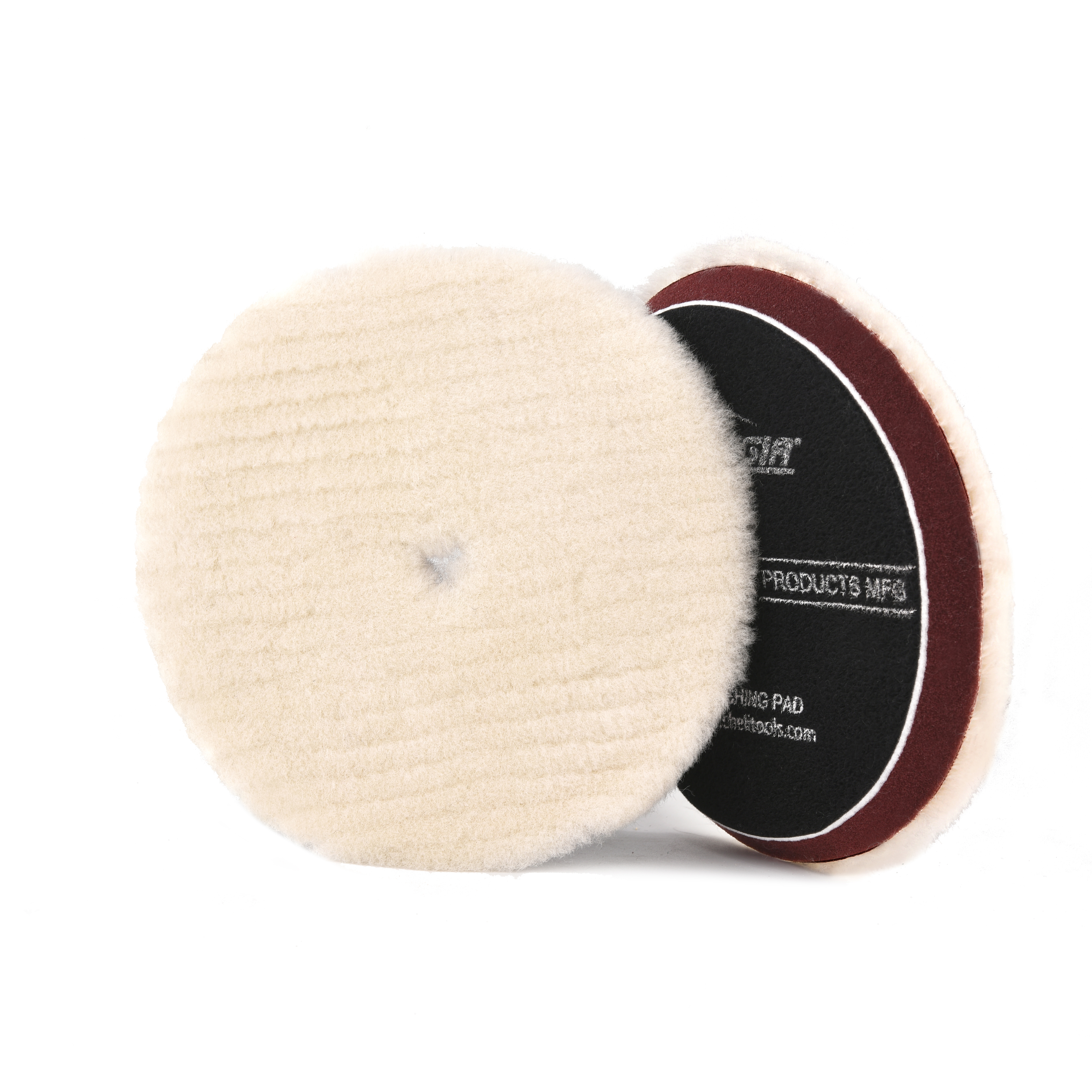
A wool polishing pad is made from natural wool fibers and is used for cutting and paint correction. The fibers create an abrasive surface, which helps to remove imperfections like deep scratches and oxidation. Wool pads are known for their ability to work quickly on tough surfaces.
There are two main types of wool polishing pads:
Lambswool: Soft and effective for finishing tasks. It provides a smooth finish while minimizing the risk of swirls.
Blended Wool: Combines natural wool with synthetic fibers for enhanced durability and aggressiveness.
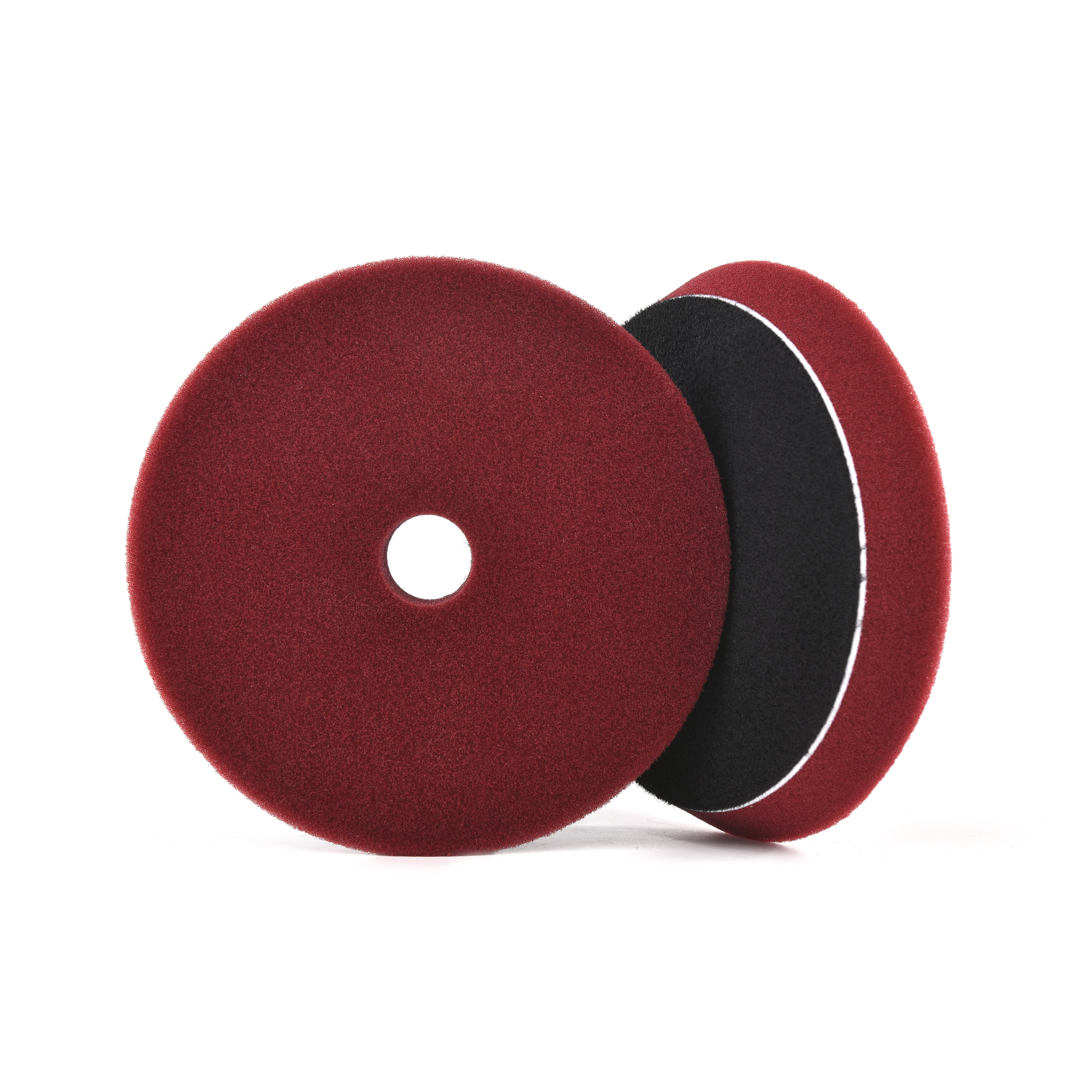
A foam polishing pad is made from various densities of foam material, designed to cater to different polishing stages. Foam pads offer a gentler approach, with less heat buildup, making them safer for delicate surfaces.
Foam polishing pads come in different types, such as:
Cutting Pads: Firm and dense, used for heavy defect removal.
Polishing Pads: Medium density, ideal for refining surfaces after cutting.
Finishing Pads: Soft and gentle, perfect for final polishing to achieve a glossy finish.
Wool polishing pads are more aggressive compared to foam pads. The fibers’ larger surface area allows for faster material removal, making them ideal for tackling heavy defects like deep scratches or oxidation.
Wool Pads: Best for heavy cutting. Use them when dealing with deep imperfections and tough surfaces.
Foam Pads: More suitable for lighter cuts or when you need a controlled, less abrasive action.
Wool pads are excellent for initial heavy defect removal. Foam pads should be used for refining surfaces after the more aggressive stages.
Wool pads dissipate heat efficiently due to their natural fibers. This reduces the risk of overheating, but they can still generate some heat during extended use.
Wool Pads: They manage heat better, but prolonged use can still cause issues if not monitored.
Foam Pads: Foam tends to retain more heat, which can be problematic on delicate surfaces.
Ideal scenarios: Wool pads are best for tough jobs where heat control isn’t critical. Foam pads should be used for gentler tasks to avoid heat buildup.
Wool pads tend to leave a more aggressive finish. While they remove deeper imperfections, they can sometimes leave the surface needing more refinement.
Wool Pads: Great for cutting deep imperfections but may require a second pass for a smooth finish.
Foam Pads: Offer a smoother, finer finish. They excel at polishing and refining surfaces after heavy cutting.
Foam pads help achieve a high-gloss, smooth surface after using wool pads for deeper work.
When deciding between wool and foam polishing pads, it's important to consider several key factors that will influence the outcome of your project. One of the most significant aspects is the paint type. Softer paints, such as those found on luxury cars, are more susceptible to damage from aggressive polishing, so using a foam pad is a safer option. Foam pads are gentler and help prevent surface marring. On the other hand, harder paints can handle the more abrasive nature of wool pads, making them ideal for tougher surfaces.
Defect Severity: The severity of the defects you're trying to correct also plays a major role in pad selection. Wool pads are typically better for handling deeper scratches, oxidation, and other stubborn imperfections. These pads have a high cutting power and can quickly remove material from the surface, making them the preferred choice for heavy-duty tasks. In contrast, foam pads are excellent for more light imperfections, swirl marks, and refining surfaces. They're less aggressive and provide a smooth, controlled finish that is perfect for polishing and finishing stages.
Project Requirements: Your project’s requirements also dictate which pad to use. If you're dealing with heavy cutting and need to remove defects such as oxidation or scratches that are deeply embedded in the paint, wool pads are the best option. These pads can effectively remove the material needed for a clean, smooth surface. However, when you're in the later stages of your project, such as polishing or finishing, foam pads should be your go-to choice. They create a fine finish and are less likely to cause imperfections, providing a smoother result that enhances the overall gloss and appearance of the surface.
Ease of Use: Foam pads are generally more user-friendly, especially for beginners or those working on delicate surfaces. Foam generates less heat during use, making it a safer option for new users who may struggle with controlling the temperature and pressure. Furthermore, foam pads are great for use on sensitive areas like edges and curves, where the risk of accidental damage is higher. Wool pads, while effective for heavy-duty tasks, can be more difficult to control and may result in overheating if not used carefully. This can be especially problematic for those not experienced in machine polishing.
Wool polishing pads are designed for more demanding tasks, particularly those involving heavy defect removal. If your project requires aggressive action to remove deep scratches, oxidation, or other stubborn imperfections, wool pads are an excellent choice. These pads are favored in situations where speed and cutting power are essential for effective correction. For example, they’re commonly used in auto detailing when working on heavily oxidized or scratched surfaces that need serious attention.
Wool pads are particularly beneficial for automotive paint correction, where they can quickly remove imperfections without excessive effort. These pads are able to handle tough surfaces, working aggressively to restore a clean, smooth finish. However, keep in mind that the aggressiveness of wool pads can sometimes leave a rougher finish, which means you might need additional steps, such as using a foam pad, to refine the surface afterward.
Wool pads also have a major advantage when working on larger surfaces. Their high cutting ability and relatively faster action allow detailers to cover large areas quickly. This makes them an ideal choice for projects where speed is of the essence, such as during full vehicle repaints or heavy-duty polishing tasks.
Foam polishing pads are incredibly versatile and are best suited for projects involving refining, polishing, and finishing. These pads are designed to work well on light defects, such as swirl marks, micro-scratches, or fine hazing left behind from more aggressive pads like wool. Foam pads allow for a controlled polishing action, making them perfect for final touches to achieve a high-gloss, smooth finish.
For automotive detailing, foam pads are an essential tool in the polishing and refining stages. After using more aggressive wool pads to remove major defects, foam pads will help to refine the paint, leaving behind a smooth, shiny surface with an even finish. They’re ideal for finishing polishes that enhance the paint’s gloss without the risk of introducing new scratches.
Foam pads are also well-suited for more delicate surfaces. Whether you're working on a luxury car with a delicate finish or polishing a painted aircraft surface, foam pads provide the controlled abrasiveness needed to avoid causing damage. They are often used in final polishing stages on high-end vehicles, where smoothness and clarity are key.
Another advantage of foam pads is that they’re excellent for use in multiple stages of the polishing process. You can use the same foam pad across different steps: from heavy cutting to lighter finishing, making it a cost-effective and convenient option for many projects. Their ability to handle varying degrees of abrasiveness, based on the foam's density, makes them adaptable for various project needs, from cutting through light defects to achieving the final finish.
Proper care is crucial for wool polishing pads to maintain their effectiveness and longevity.
Cleaning and Conditioning: After each use, clean wool pads with warm water and mild soap to remove any residue. Use a pad brush to dislodge dried compound. Conditioning wool pads with a special conditioner can restore their softness and texture.
Preventing Wear and Tear: To avoid damage, do not overuse wool pads on harsh surfaces. Rotate pads regularly during extended polishing sessions to ensure even wear.
Foam pads require consistent cleaning to avoid degradation and ensure smooth performance.
Cleaning Tips: Rinse foam pads immediately after use to prevent product buildup. Use a nylon brush or compressed air to clean out debris and residue.
Extending Lifespan: Avoid using foam pads when they’re excessively worn. Store them in a cool, dry place, and replace them once they show signs of damage. Cleaning them regularly will help retain their shape and performance.
High Cutting Ability: Wool pads are perfect for removing deeper scratches and heavy imperfections. Their aggressive nature makes them ideal for tough surfaces.
Efficient Heat Dissipation: Wool fibers allow heat to disperse quickly, reducing the risk of overheating and damage during polishing.
More Aggressive: Wool pads can leave swirls or holograms if not used correctly. Careful handling is essential to avoid these issues.
Higher Risk of Heat Generation: While they dissipate heat better than foam, wool pads can still cause excess heat if used for extended periods.
More Versatile: Foam pads can be used for multiple stages, including cutting, polishing, and finishing. They provide a controlled, less abrasive action.
Less Heat Generation: Foam pads generate less heat, making them safer for beginners and delicate surfaces.
Less Effective for Heavy Defect Removal: Foam pads aren't as aggressive as wool pads, making them less suitable for deep scratches or heavy oxidation.
In the world of car detailing, choosing the right polishing pad is crucial for achieving the best finish. For automotive paint correction, wool pads are the go-to choice. Their aggressive cutting power allows them to effectively remove deep scratches and oxidation from the paint surface.
When to Use Wool Pads: Wool pads are ideal for the cutting phase, where heavy defect removal is required.
When to Use Foam Pads: Foam pads are better for the refining or finishing stages. They provide a smoother finish and are safer for delicate surfaces.
When it comes to aircraft polishing, precision and care are key. Wool pads are more aggressive and can quickly remove imperfections, but they pose a risk of leaving swirls or scratches on sensitive surfaces. For aircraft, where surfaces are delicate, foam pads are often preferred.
Wool Pads in Aviation: These pads work well for heavy defect removal on tougher surfaces but must be used carefully to avoid surface damage.
Foam Pads in Aviation: Foam pads are gentler and ideal for polishing and finishing tasks, especially on painted or delicate surfaces, ensuring a flawless finish without the risk of damage.
Wool pads are aggressive and ideal for heavy cutting, while foam pads are versatile and perfect for refining. Wool is best for deep scratches, and foam is great for finishing tasks. When deciding between them, consider the severity of defects and the finish you want to achieve, tailoring your choice to the specific needs of your project.
A: Wool pads are better for cutting deep scratches due to their aggressive nature and high cutting power. Foam pads are more suited for lighter defects and finishing tasks.
A: Foam pads are less effective for heavy-duty defect removal compared to wool pads. They excel in polishing and refining surfaces with lighter imperfections.
A: Wool pads should be cleaned with mild soap and a brush to remove residue. Foam pads require cleaning with water and mild detergent. Both pads should be stored properly to extend their lifespan.


